
Aluminum Plate: Different Thicknesses, Different Uses
2026-02-06
Aluminum plate is a fundamental material used across many industries. The general term “aluminum plate” actually covers a range of products that differ in name, properties, and uses depending on thickness. Knowing these differences can make material selection easier.
What are the common thicknesses and how are they categorized?
The market typically divides aluminum plate into two main categories by thickness:
-
Thin Sheet/Coil:
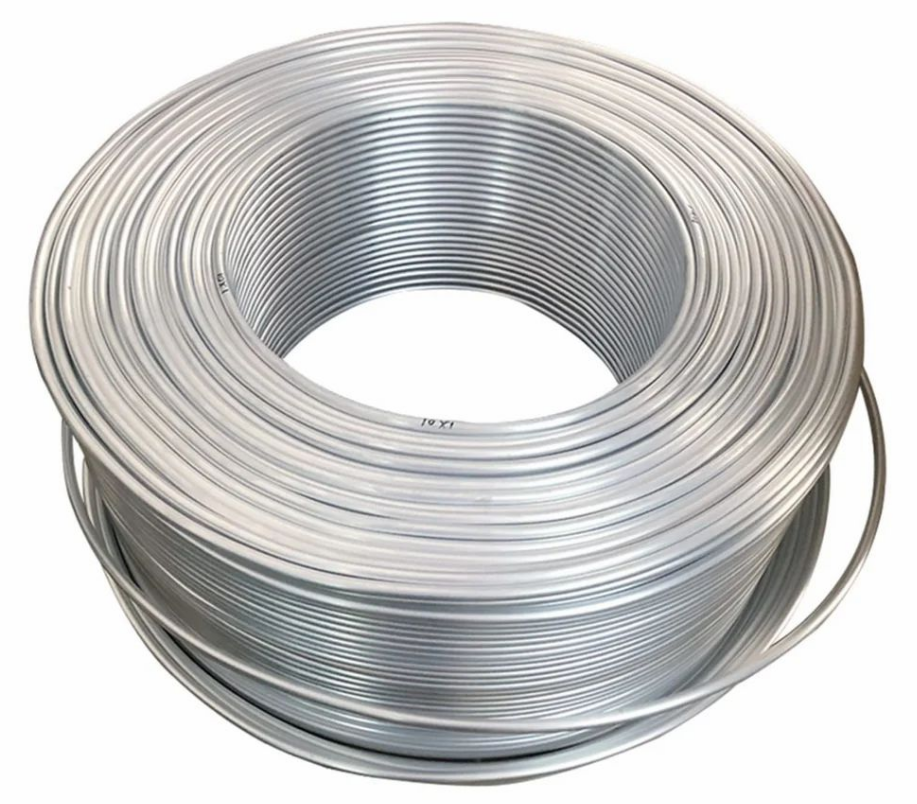
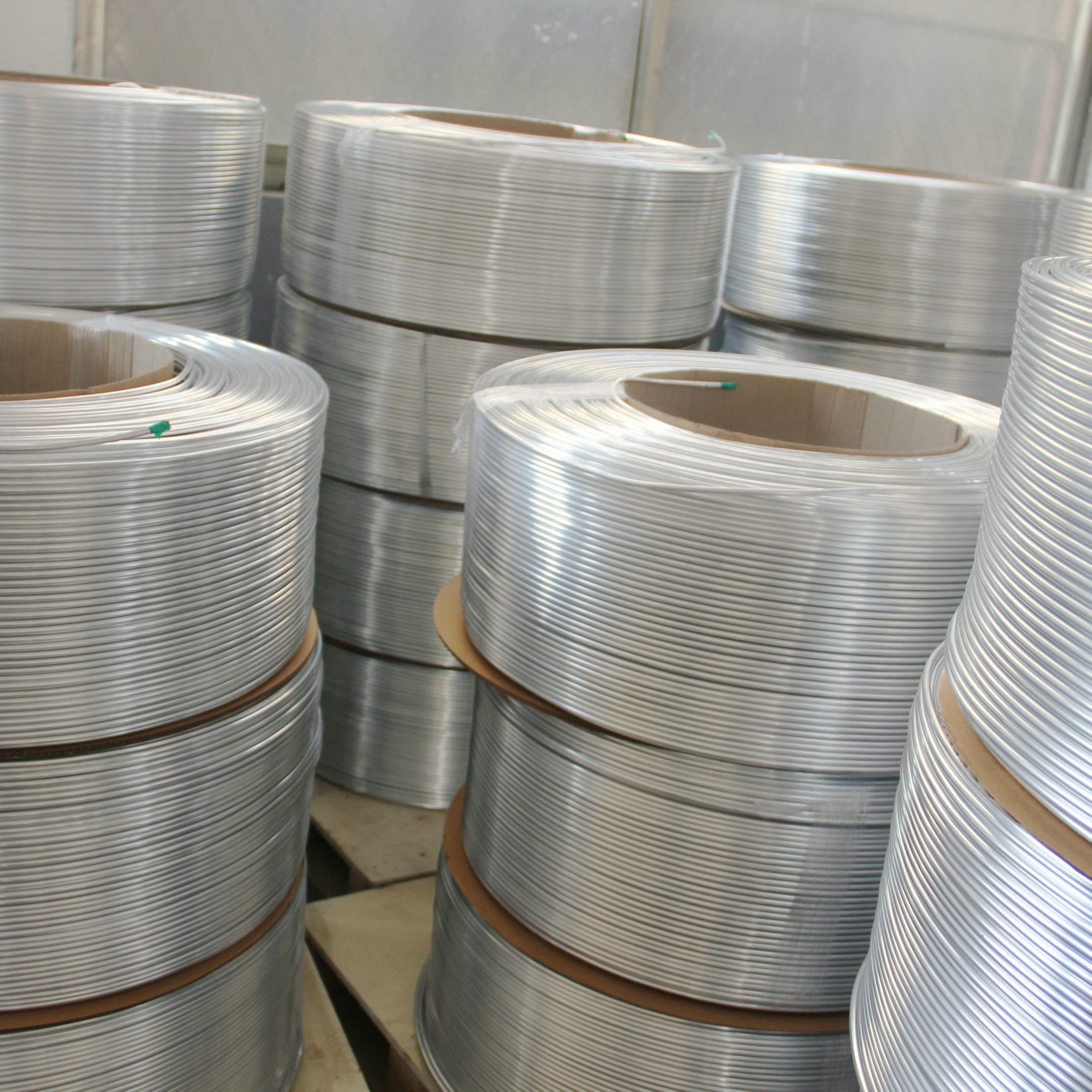
Thickness generally ranges from 0.2mm to 3.0mm. This is a broad range. Within it, foil or very thin sheet below 0.5mm is often used for food packaging or electronic component shielding. The most frequently requested range is 0.5mm to 1.5mm, suitable for applications like equipment chassis, appliance panels, and decorative cladding where light weight and good formability are key. These thin materials are mostly supplied in coils, ideal for automated stamping and continuous processing. -
Thick Plate:
Thickness usually starts from 3.0mm. Common industrial thick plates are in the 3mm to 6mm range, with even thicker plates exceeding 100mm available. Aluminum plate 3-6mm thick offers good load-bearing capacity and rigidity, making it suitable for structural frames of machinery, platforms, truck body panels, and various sturdy enclosures. It is usually supplied as cut-to-size flat plates.
For alloy selection, the 1xxx series (e.g., 1100), known for good formability and corrosion resistance, is widely used for thin sheet. For thick plates requiring higher strength, 3xxx (e.g., 3003) and 5xxx (e.g., 5052) aluminum alloys are more common.
Where are different thicknesses mainly used?
Understanding the thickness categories makes the uses clearer:
-
Typical Uses for Thin Sheet (0.2mm - 1.5mm):
-
Electronics & Appliances: Shielding covers inside phones/computers, heat sinks, lightweight housings.
-
Light Packaging & Decoration: Food packaging liners, nameplates, interior decorative panels, lamp reflectors.
-
General Industry: Instrument panels, protective covers, non-load-bearing liners, and partitions.
-
-
Typical Uses for Thick Plate (3.0mm and above):
-
Machinery & Structures: Machine tool guards, welding fixture tables, automation equipment frames, base plates for heavy transport equipment.
-
Construction & Transportation: Reinforcement for building curtain walls, backing for large signs, ship decks/bulkheads, special vehicle bodies.
-
Molds & Jigs: Base plates for simple stamping dies, mounting bases for inspection jigs.
-
How to start the selection process?
If you need to source aluminum plate, you can start with this approach:
-
Identify the Core Requirement: What does your product need most? Easy bending and forming (choose thin sheet, soft temper) or load-bearing without deformation (choose thick plate, hard temper)?
-
Consider the Environment: Will it be used in a dry indoor space or a damp outdoor setting? For outdoors or corrosive environments, consider rust-resistant alloys (like the 5xxx series) or specify a surface treatment.
-
Balance Cost and Processing: Thin sheet (coil) suits high-volume stamping for efficiency. Thick plate (flat sheet) suits single-piece or small-batch cutting. Informing your supplier about your processing method will help them provide better advice.
Aluminum plate is like a “versatile supporting actor” among metals—not always in the spotlight, but essential to many products. We hope this article helps you build a basic framework for selection.
.jpg)
Next Page:
Share:
.jpg)