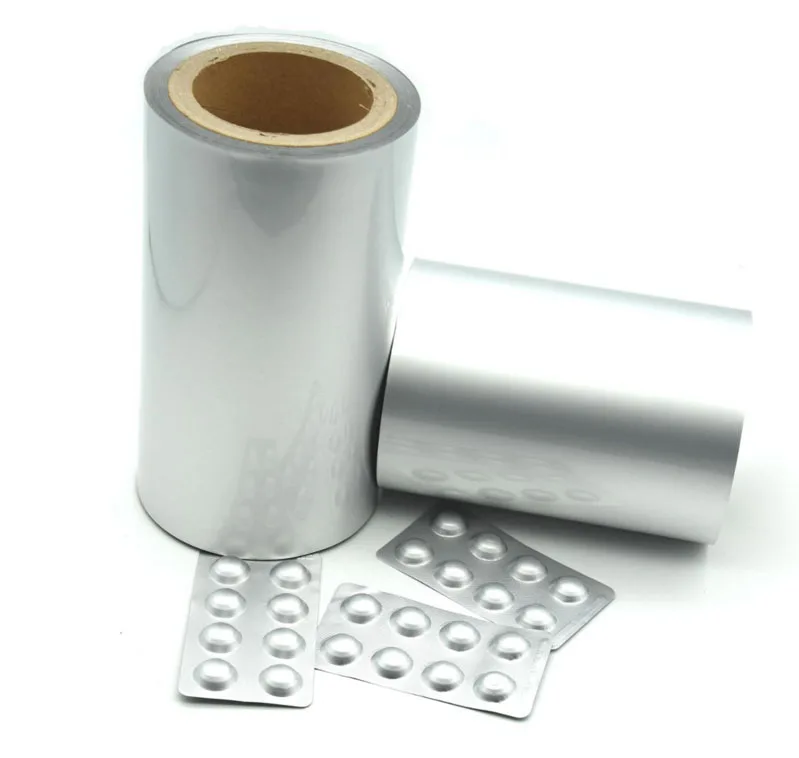
1000 series Aluminum Wire
2026-03-25
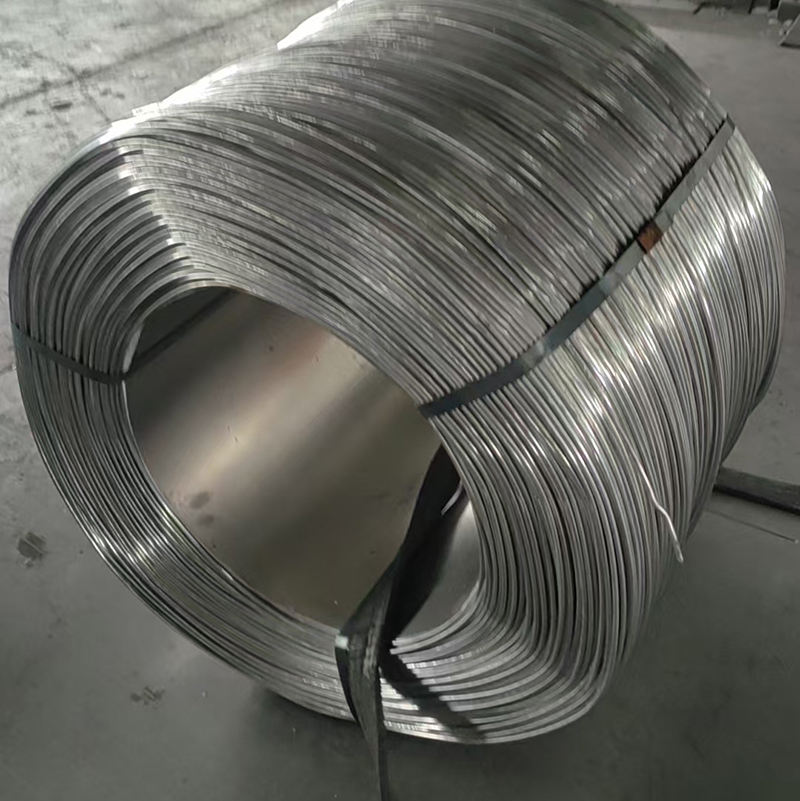
aluminum rod is a semi-finished product, and aluminum wire is either the finished product or the intermediate stage before further processing.
Aluminum rod is round in cross-section, supplied in coils. The most common diameter is 9.5mm, which is what most wire and cable manufacturers buy as raw material. The rod is fed into a drawing machine, which pulls it through dies to reduce the diameter—producing wire sizes ranging from 8mm, 5mm, 2mm, all the way down to less than 0.1mm.
Most rod today is produced by the continuous cast and roll (CCR) process. Molten aluminum is cast into a bar and rolled continuously to produce 9.5mm rod, typically in 1.5-2 ton coils. Manufacturers then draw the rod to whatever wire sizes they need.
For wire and cable, the vast majority of aluminum used is 1xxx series—meaning 99% or higher aluminum content. Low impurities mean good conductivity. The common grades:
-
1350: These are the dedicated electrical conductor grades. Minimum 99.5% aluminum, with conductivity required to be at least 61% IACS. These are the standard alloys in GB/T 3954. Overhead conductors, power cables, building wire—most of it uses 1350.
-
1050 / 1060 / 1070: Higher purity than 1350, with slightly better conductivity but lower strength. Used where conductivity is the top priority, such as some precision electronic wire applications.
Wire diameters used in the cable industry cover a wide range. Looking at them in production order:
Rod (Raw Material)
-
9.5mm: The standard incoming size. Most aluminum rod mills produce 9.5mm as their default. Cable manufacturers take this and draw it down.
-
Large Wire (Intermediate)
-
8mm, 7mm, 5mm: These are intermediate sizes during the drawing process. Sometimes customers order 8mm wire directly, either for large-strand conductors or for further drawing. At 8mm, it's still considered "large wire" but is already smaller than the starting rod.
-
Finished Wire (for Stranding)
-
2mm – 4mm: This is the most common range for finished wire used in stranding. Overhead conductor strands typically fall in this range—diameters like 2.5mm, 3.2mm, 3.5mm are standard. These sizes offer a good balance of flexibility and strength for stranding.
-
1mm – 2mm: Common for power cable conductors and control cables.
-
To put it simply: 9.5mm is the starting point. 2mm to 4mm is the typical finished wire range for stranding.
-
Below 1mm: Fine wire down to 0.2mm, 0.1mm, used for magnet wire (enameled wire) and braided shielding.
Main Applications: Wire and Cable
Aluminum wire's largest market is wire and cable. Here are the main categories:
Overhead Conductors
This is the biggest volume application. ACSR (Aluminum Conductor Steel Reinforced) is the most common product—aluminum wires stranded around a steel core. The aluminum carries the current; the steel provides strength. These run from urban distribution lines to long-distance transmission lines.
Overhead conductor strands are typically 2mm to 4mm in diameter, using 1350 alloy. Sometimes aluminum alloy strands (like 6201) are mixed in for extra strength.
Power Cables
Underground or duct-installed power cables often use aluminum conductors. Aluminum power cables cost less than copper and weigh less, making them common in distribution networks. Conductor wire diameters range from about 1.5mm up to 5mm, depending on the cable's cross-section.
Building Wire
Inside buildings, aluminum wire is increasingly common, especially in North American markets. The dominant alloy here is 8000 series (like 8030), but 1xxx series is still used in some applications. Building wire typically runs 1.5mm to 3mm in diameter.
Magnet Wire (Enameled Wire)
Transformers, motors, and inductors often use aluminum magnet wire. The rod is drawn down to fine wire (0.2mm to 2mm) and coated with insulating enamel. Aluminum magnet wire is lighter and cheaper than copper, making it popular in large transformers and appliance motors.
Other Wire and Cable Uses
-
Cable Shielding Braiding: Fine aluminum wire (0.1mm to 0.3mm) is braided into mesh and used as shielding around cables.
-
Grounding Wire: Aluminum stranded wire or single conductors are used for equipment and pole grounding.
-
ACSR Binding: Fine aluminum wire is sometimes used to bind the outer strands of ACSR conductors.
Previous Page:
Share:
.jpg)