
1350 Aluminum Wire Rod
2025-12-17
Understanding Aluminum 1350 Wire: Performance, Specifications, and Uses
Among industrial aluminum materials, Aluminum 1350 wire (often referred to as Electrical Conductor or EC aluminum) is a fundamental and important category. It may not be as eye-catching as some high-strength alloys, but its stable performance and wide applicability make it an indispensable material in various fields. This article focuses on the basic properties, common product forms, and typical applications of 1350 aluminum wire.
What is Aluminum 1350 Wire?
1350 is a high-purity commercial aluminum. According to internationally recognized standards (such as the North American ASTM standard), it contains a minimum of 99.5% aluminum. This "high purity" characteristic gives it several practical fundamental properties. It is primarily processed into forms like wire and rod for supply to downstream manufacturers.
Core Properties and Characteristics
Firstly, it offers good electrical conductivity, which is the reason it was originally designated "Electrical Conductor" grade. This makes it a cost-effective choice for applications requiring current conduction.
Secondly, it has excellent workability. In the soft (annealed or "O") temper, 1350 wire is very malleable and ductile. It can be easily drawn into fine wires of various diameters or bent and wound without cracking. By controlling the level of work hardening (e.g., H14, H19 tempers), different levels of strength can be achieved to meet application needs for either toughness or rigidity.
Furthermore, like most aluminum alloys, it forms a natural oxide layer, providing good resistance to atmospheric corrosion and making it suitable for long-term use in standard environments.
Available Sizes and Forms
Aluminum 1350 is typically supplied to the market in two primary forms:
-
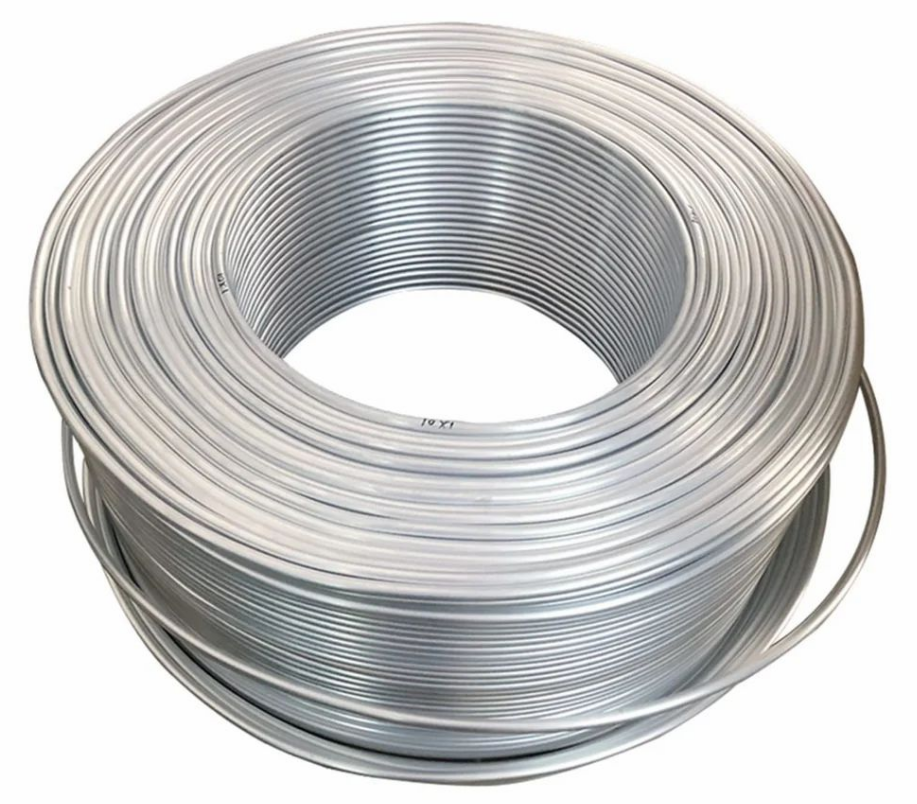
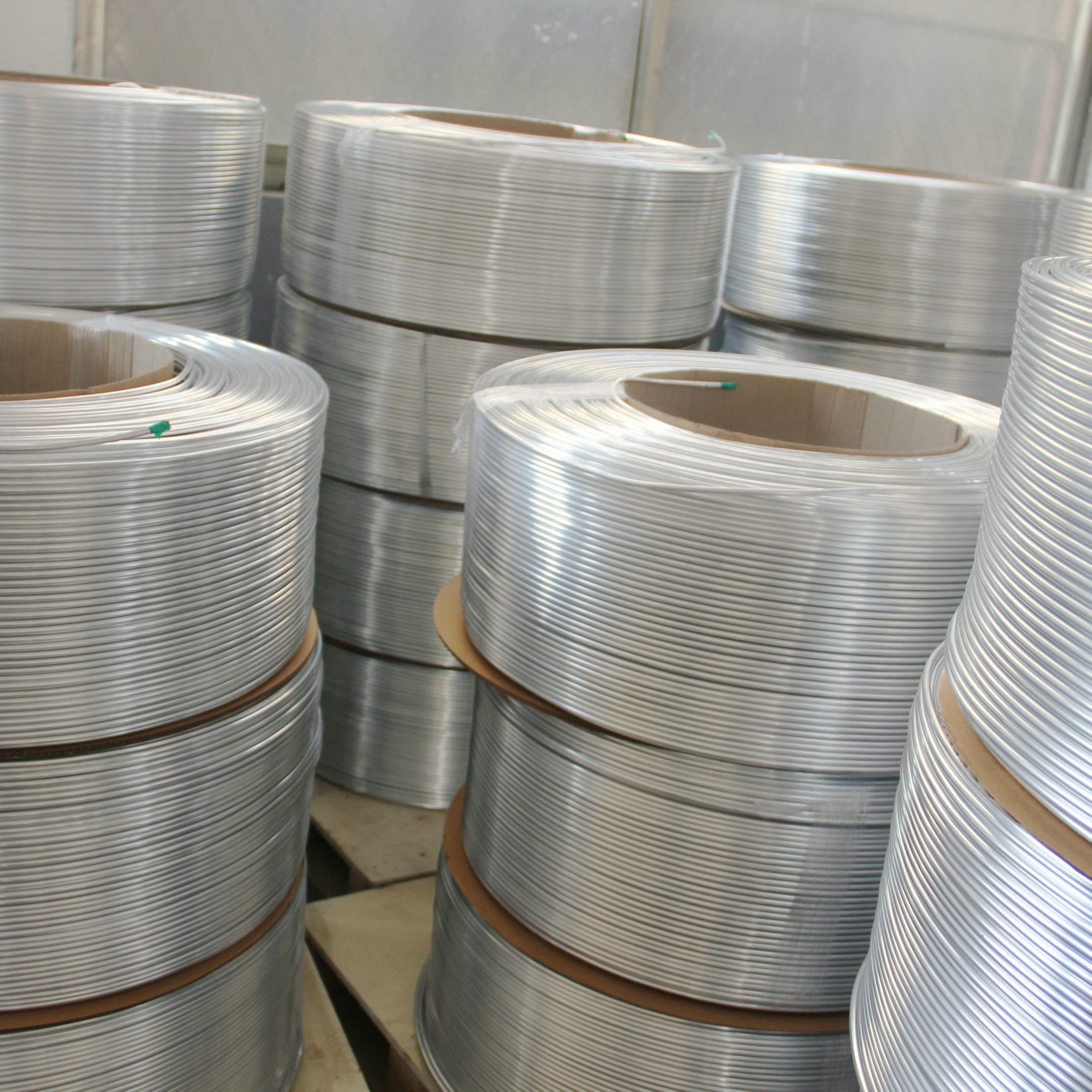
Aluminum Rod: This is the primary processed form, usually referring to larger diameter wire rod, supplied in coils with diameters ranging from approximately 9.5 mm to 20 mm. It is mainly used for subsequent drawing into finer wire.
-
Aluminum Wire: This is the most common form. Through a wire drawing process, the rod can be pulled into round wires of various specifications, from relatively thick (e.g., 4 mm) to very fine (e.g., under 0.1 mm). These wires can be used singly or stranded together to form more flexible conductors.
Primary Application Areas
Based on these properties, the main uses of 1350 aluminum wire include:
-
Electrical Wire and Cable Conductors: This is its most traditional application. It is widely used in overhead power transmission lines (such as the aluminum strands in ACSR - Aluminum Conductor, Steel Reinforced), distribution cables, and internal wiring for some electrical equipment.
-
Electronic Components and Windings: Its excellent ductility makes it suitable for drawing into very fine magnet wire (enameled wire), used for winding coils in motors, transformers, inductors, and other components.
-
General Metal Products: Wire in harder tempers can also be used to manufacture hardware items like rivets, screws, and screening.
In summary, Aluminum 1350 wire is a foundational aluminum material characterized by high purity and good manufacturability. Through flexible control of its temper, it can provide a range of mechanical properties from soft to hard. Supplied in various forms like wire and rod, it serves a broad spectrum of fields, from power transmission to precision electronics manufacturing.
.jpg)
Previous Page:
Next Page:
Share:
.jpg)