
Stucco Embossed Aluminum Coils & Sheets
2026-02-25
What Exactly is Stucco Embossed?
Simply put, it’s what we often call an "orange peel" texture. The surface has a fine, uniform, pebble-like grain. It’s not completely smooth to the touch. This texture isn't just for looks; it’s very practical: it provides anti-slip properties, hides minor scratches from daily use, and diffuses light to reduce glare.
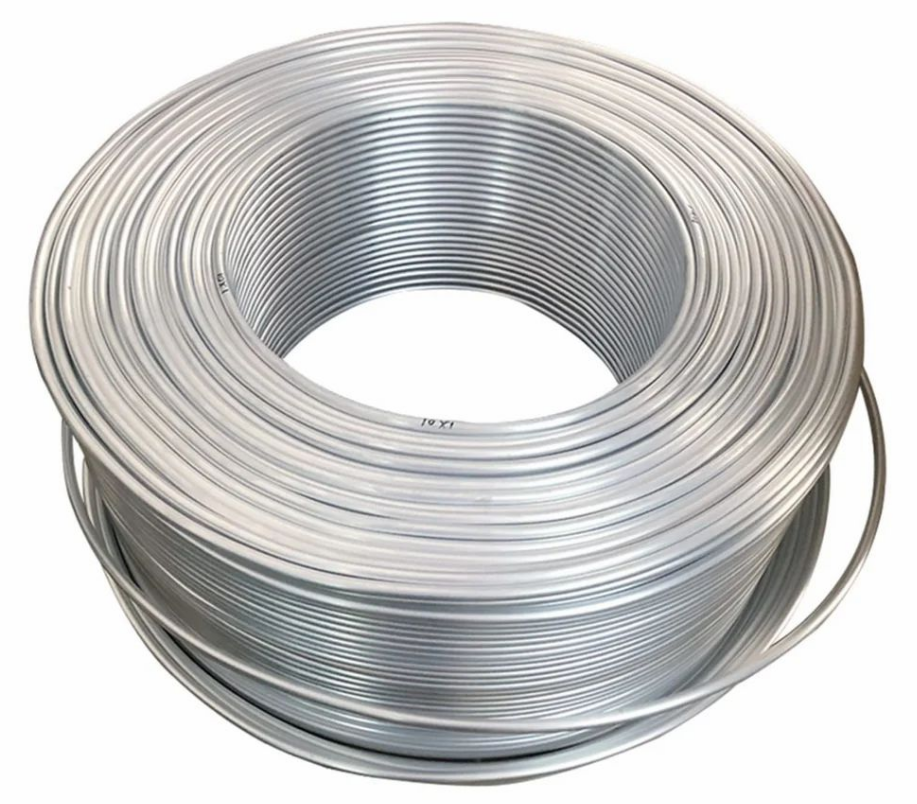
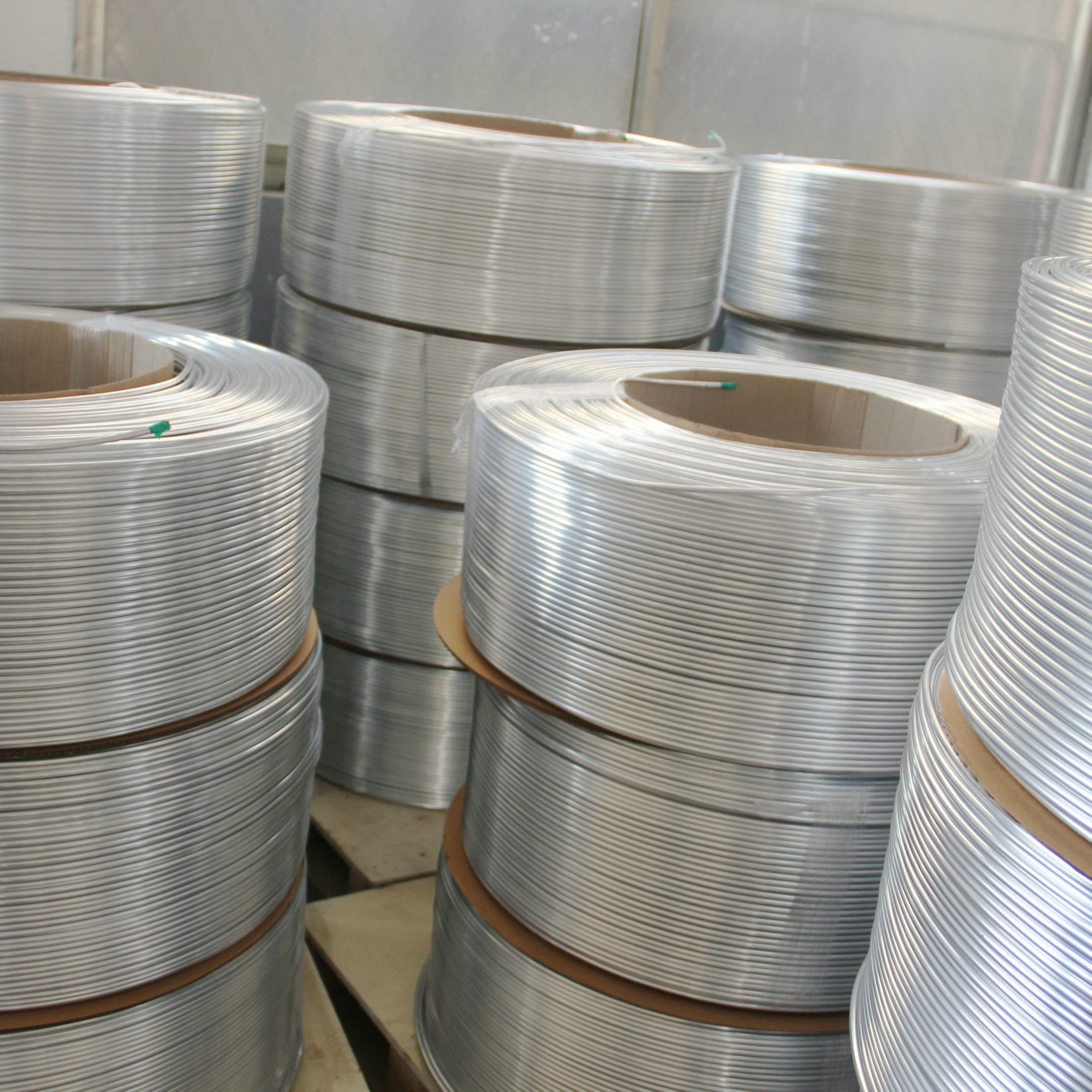
The pattern is rolled onto the aluminum surface using special embossing equipment. It comes in two main forms: coils (rolled up) or sheets (cut to length).
Common Alloys.jpg)
While we've been seeing a lot of requests for 3003 H14 lately, there are two other workhorses in the market that are just as important:
-
Alloy 3003 (The Versatile Workhorse): This is arguably the most widely used alloy for this product . It’s about 20% stronger than pure aluminum (like 1100), but it still bends and forms easily. Thicknesses like 0.7mm and 1.0mm are very standard stock items. The H14 temper means it’s work-hardened but not fully hard—a "middle ground" that’s just right for most bending and forming jobs.
-
Alloy 1060 (The Cost-Effective Choice): If you don't need high strength but care more about electrical conductivity or great formability, 1060 is a solid option . It's over 99.60% pure aluminum, which makes it softer and easier to draw or stretch. You'll often find 1060 embossed sheets in refrigerator liners, lamp reflectors, or simple decorative trim .
-
Alloy 5052 (The Corrosion Resistant Option): For tougher environments—think coastal areas, chemical plants, or places where the metal might get wet frequently—5052 is the go-to. It contains magnesium, giving it excellent corrosion resistance (especially to saltwater) and higher strength than 3003 . It costs a bit more, but it lasts much longer in marine applications or as cladding on chemical equipment.
Typical Thicknesses and Sizes
In the real world of buying and selling, thicknesses usually fall into a few practical ranges:
-
Thin Range (0.2mm – 0.6mm): Used where weight is a concern or for purely decorative surfaces. Think freezer liners, appliance casings, or indoor ceiling panels .
-
Medium Range (0.7mm – 1.2mm): This is the sweet spot for demand. It’s exactly where those recent inquiries for 1.0mm and 0.7mm hit. It offers good strength without being too heavy. Common uses: liners for refrigerated truck bodies, exterior building cladding, and protective jacketing over pipe insulation .
-
Heavy Range (1.5mm and up): Typically used for structural parts like machine guards or heavy-duty flooring in vehicles .
Where Do You Actually See This Stuff?
Stucco embossed aluminum is everywhere in daily life:
-
On the Road: Interior walls and floors of refrigerated trucks and vans. It’s non-slip and easy to clean .
-
At Home: The inner liner of your refrigerator, the backsplash in a kitchen, or even modern cabinet doors .
-
Above Your Head: Ceiling tiles and wall panels in subway stations or shopping malls. The texture hides fingerprints better than shiny smooth surfaces .
-
On Job Sites: The protective jacketing wrapped around insulation on pipes and tanks. It looks tidy and is fire-resistant .
Next time you see a shiny new refrigerated delivery truck, or look up and notice the textured metal ceiling in a public building, you're looking at Stucco embossed aluminum.
If you’ve got a project—whether it's for truck bodies, building facades, or equipment housings—feel free to reach out with your specs: alloy, temper, thickness, width, and if you need film protection. We’re here to help you find the right fit.
Previous Page:
Next Page:
Share:
.jpg)