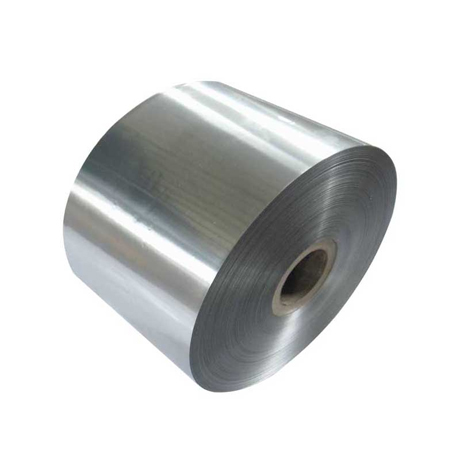
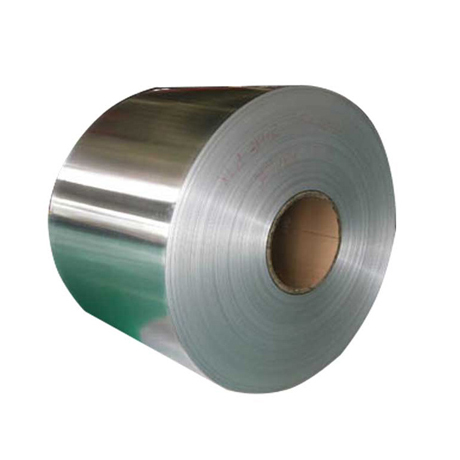
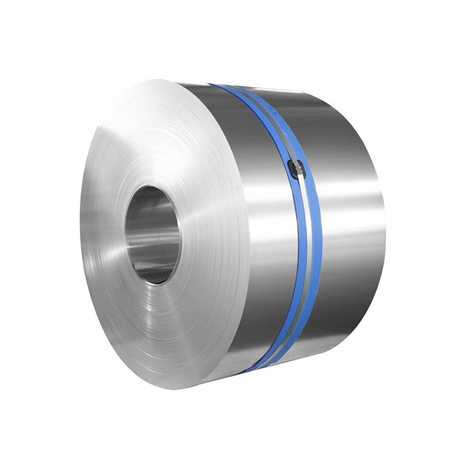
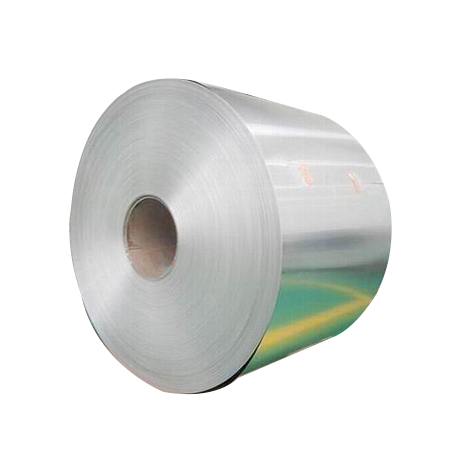
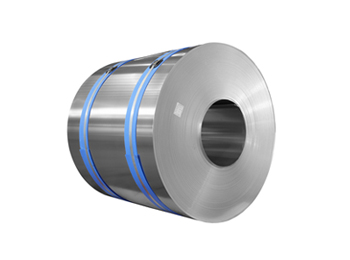
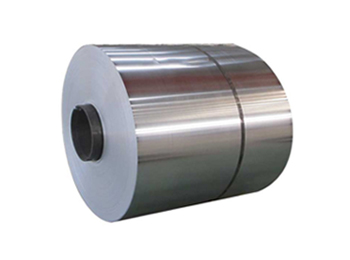
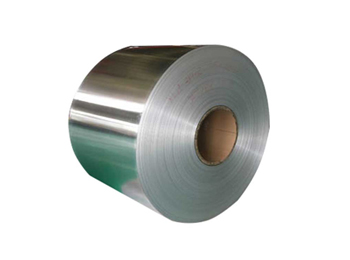
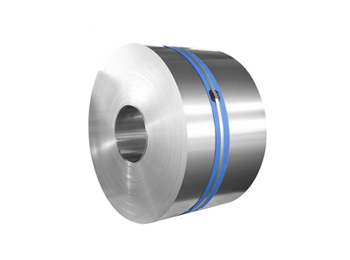
1070 Aluminum Coil Introduction and Key Performance Characteristics
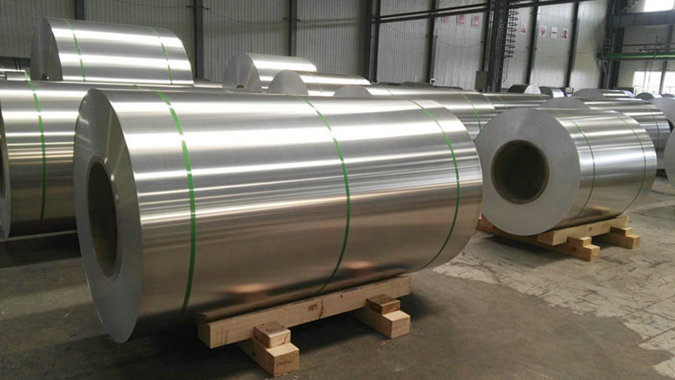
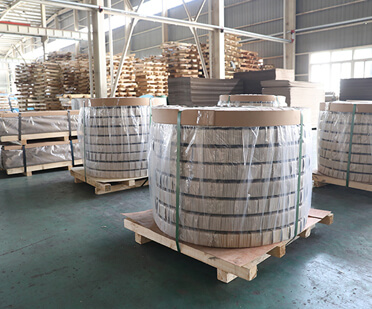
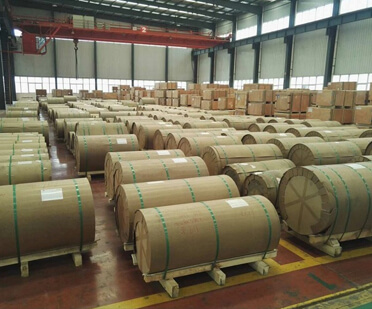
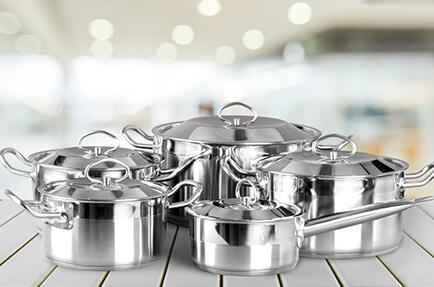
The 1070 aluminum coil is a type of 1-series high-purity industrial pure aluminum (with Al content ≥ 99.70%), which is an alloy that cannot be heat-treated for strengthening. It has core advantages such as high electrical and thermal conductivity, excellent plasticity, and good corrosion resistance. It is divided into cold-rolled coils (thin material, fine surface) and hot-rolled coils (thick material, high toughness). It is the mainstream base material for products such as stretching, reflective, electrical conductivity, and heat dissipation.
I. Basic Information
• Brand standard: GB/T 3190 1070, with Al content ≥ 99.70%, total impurities ≤ 0.30%
• Common State
◦ O state: Soft state, with high elongation, suitable for deep drawing/rotational forming
◦ H12/H14/H18/H24: Semi-hard/ hard state, enhanced strength, suitable for bending/ conformal parts
• Standard Specifications
◦ Cold rolling: Thickness ranging from 0.15 to 3.0 mm, with a smooth surface and precise tolerances.
◦ Hot rolling: Thickness range of 2.0 to 8.0 mm, good toughness, wide plate width, suitable for large-scale stretching.
II. Core Physical and Mechanical Properties
Mechanical properties (typical values)
• O state: Tensile strength ≤ 130 MPa, yield strength ≥ 40 MPa, elongation ≥ 25%, not prone to cracking during bending or deep drawing
• H14 State: Tensile strength ranging from 120 to 160 MPa, elongation rate ≥ 8%, balancing both molding and structural stability
• H18 grade: Tensile strength ≥ 150 MPa, high hardness, suitable for shallow punching and shaped parts
2. Physical Properties
• Conductivity: ≈ 61% IACS. Excellent conductivity performance, suitable for power/electronic conductive components.
• Thermal conductivity: ≈ 237 W/(m·K). High heat dissipation efficiency, suitable for heat dissipation components.
• Density: Approximately 2.7 g/cm³, showing significant advantages in lightweighting.
• Reflectivity: The surface has a high degree of purity and is smooth, with excellent reflective properties, suitable for lamps/optical reflectors.
3. Process & Corrosion Resistance Performance
• Formability: Excellent plasticity, easy for deep drawing, spinning, bending, stretching, and 180° bending without cracks.
• Corrosion resistance: Excellent corrosion resistance in atmospheric, freshwater, and weakly corrosive environments. No additional protection is required.
• Weldability: Regular welding methods (arc welding, spot welding, gas welding) are all acceptable, with no risk of thermal cracking.
• Surface treatment: Easy to undergo anodic oxidation, polishing, spraying, printing. Excellent in decoration and protective properties.
III. Key Features
The aluminum has high purity, few impurities and excellent surface quality.
2. Excellent electrical and thermal conductivity, superior to 1050/1060.
3. Excellent plasticity, suitable for complex molding processes
4. Resistant to corrosion, good for welding, and applicable in a wide range of scenarios
5. The cost-performance ratio is higher than 1090/1079, and it is suitable for mass production.