Latest news
-
25Mar, 2026
1000 series Aluminum Wire
Aluminum wire is the basic material for the wire and cable industry. Most commonly, it starts as 9.5mm diameter rod, then gets drawn down to smaller sizes—8mm, 5mm, 2mm—and finally stranded into various conductors. 1xxx series pure aluminum (1350.) is the workhorse here due to its good conductivity and stable cost. This article focuses on the common sizes and where they end up being used.Read More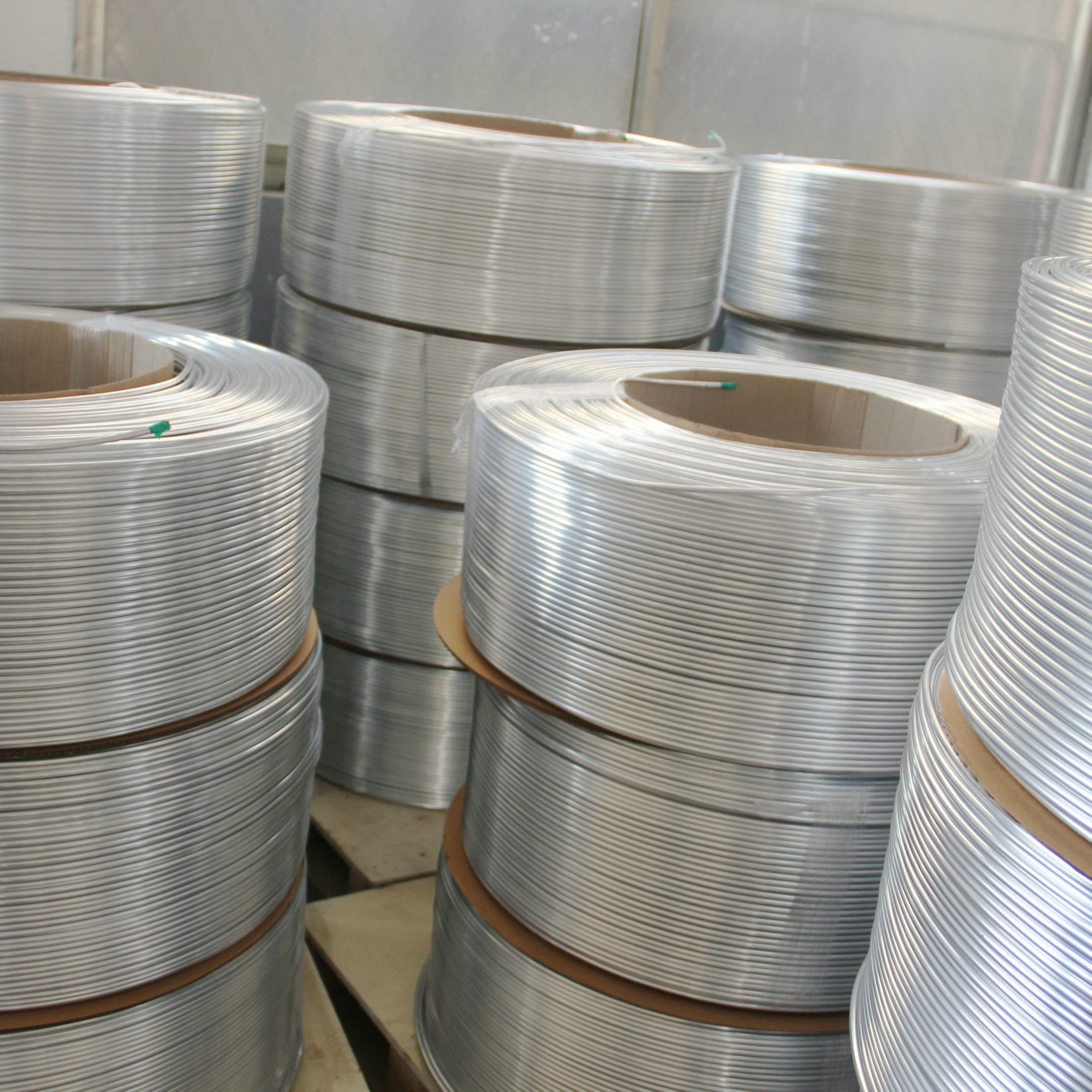
-
18Mar, 2026
Aluminum Sign Blanks
Learn about common specifications, alloy grades, and thickness options for aluminum sign blanks. This article covers material selection and drilling details to help you choose the right blanks for your signage projects.Read More.jpg)
-
11Mar, 2026
Pharmaceutical Aluminum Foil Guide: From PTP to Cold Forming – Specifications
Discover common alloys (1235, 8011, 8021, 8079), thickness ranges (0.01-0.08mm), and temper options for pharmaceutical aluminum foil. This article covers PTP foil, cold forming foil, and tropical foil applications to guide your material selection.Read More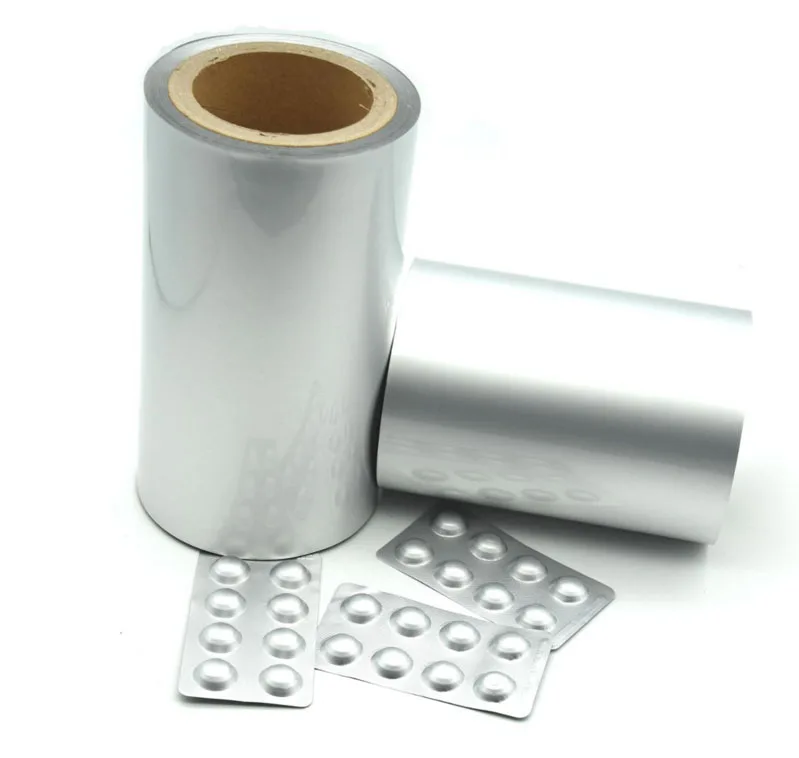
-
04Mar, 2026
Introduction to Mirror Aluminum Sheets
We've received several inquiries lately about mirror-finished aluminum sheets. Customers typically ask about alloy grades, reflectivity levels, available thicknesses, and where these sheets are actually used. This article offers a straightforward overview—common alloys like 1050, 1060, and 1070, typical gauges you'll find in the market, and how fabricators use this material for lighting reflectors, solar applications, and decorative panels.Read More.jpg)
-
25Feb, 2026
Stucco Embossed Aluminum Coils & Sheets
We’ve been getting a few inquiries lately for 0.7mm and 1.0mm 3003 H14 Stucco sheets—some with PSMB film. It got us thinking about how popular this material really is. But it’s not just about 3003; alloys like 1060 and 5052 have their own important jobs, too. This isn’t a technical textbook. It’s just a friendly chat about what this textured metal looks like in person, what thicknesses people actually order, and where it ends up getting used—whether on a construction site or inside a freezer truck.Read More.jpg)
-
06Feb, 2026
Aluminum Plate: Different Thicknesses, Different Uses
Aluminum plate can be roughly divided into thin sheet and thick plate by thickness, each serving distinct purposes. Thin sheet is common in electronics and light packaging, while thick plate is often used in machinery and construction. Understanding these basics helps in selecting the right material.Read More.jpg)
-
28Jan, 2026
Anodized Aluminum Plate: What Is It Really, and Why Is It Used for Roofing?
Anodized aluminum plate is created by forming an oxide layer on the aluminum surface through electrolysis, offering durability, corrosion resistance, and a natural metallic finish. It’s commonly used in roofing, facades, interiors, and demanding industrial applications. This article covers common specifications, how to identify true anodizing, and what to look for when purchasing.Read More.jpg)
-
21Jan, 2026
PE Coated Color Coated Aluminum Coil
PE coated color coated aluminum coils are aluminum sheets with a polyethylene coating, offering both aesthetic appeal and practical durability. They are widely used in building exteriors, roofing, appliance casings, and more, providing weather resistance, corrosion protection, and color variety. This article covers common specifications, applications, and key selection factors.Read More.jpg)
-
14Jan, 2026
Aluminum Strip for Channel Letters
Ever wonder how those bright, eye-catching channel letters on storefronts are made? Beyond the LED lights, a sturdy and precise "backbone" is essential—that's the aluminum strip. This article introduces this professional material: what it is, commonly used alloys like 3003/H14, standard thickness and width specs, and its core function and advantages in sign fabrication, helping you understand why it's a top choice in the industry.Read More
-
07Jan, 2026
Food-Grade Aluminum Foil
Have you ever wondered about that roll of silver foil in your kitchen? How is it safe for food, and why is it sometimes soft and other times stiffer? This article briefly explains common specs of food-grade aluminum foil, like the popular 8011 alloy, “O” temper, and the uses of different thicknesses such as 10, 25, and 30 microns, helping you make better choices for daily life or commercial use.Read More